Fishing Rod Upkeep: Guidelines for Extended Life and Optimal Performance
Proper care of fishing rods is key to maximize both durability and performance. A lot of anglers skip routine maintenance, causing their gear at risk of damage and reduced effectiveness. Regularly cleaning, conducting thorough inspections, and using correct storage practices can greatly boost the fishing rod’s lifespan. Knowing these upkeep routines is important. With seasonal changes and varying conditions, the strategy for rod maintenance might need to evolve. Which specific methods can ensure that a fishing rod stays in its best shape?
Why Correct Fishing Rod Maintenance Is Vital
Proper fishing rod maintenance guarantees longevity and peak output. Routine care ensures that rods stay in excellent condition, preventing problems that could compromise angling experiences. A well-cared for rod can withstand multiple external conditions, reducing the likelihood of harm from contact to sun, water, and dirt.
Neglecting routine care can result in deterioration, affecting sensitivity and action. Components such as guides, reels, and grips must be checked on a regular basis, as they are vital for effective casting and reeling.
Moreover, proper upkeep can boost the overall fishing experience by increasing precision and range, making it easier to land a catch. By dedicating effort in care, anglers not only extend the longevity of their equipment but also strengthen their abilities and satisfaction on the water. In the end, a commitment to maintenance is fundamental for anyone serious about fishing, ensuring both performance and reliability.
How to clean Your Fishing Rod Correctly
Regular maintenance is a vital aspect of fishing rod care that directly impacts performance and longevity. Anglers should initiate by flushing the rod with clean water to eliminate dirt, salt, and debris after each use, especially if angling in saltwater environments. A soft cloth or sponge can be used to delicately wipe down the rod, focusing special attention to guides and reel seats where grime collects.
For stubborn stains, a gentle soap mix can be effective; however, harsh chemicals should be avoided as they might cause damage the rod's coating. After rinsing, it is vital to ensure the rod is completely dry to prevent water gathering, which can lead to corrosion. Additionally, fishing enthusiasts should routinely service and grease the reel to make certain smooth operation. By sticking to these steps, anglers can maintain their rods' performance and increase their useful life.
What Should You Look For When Assessing Your Fishing Rod?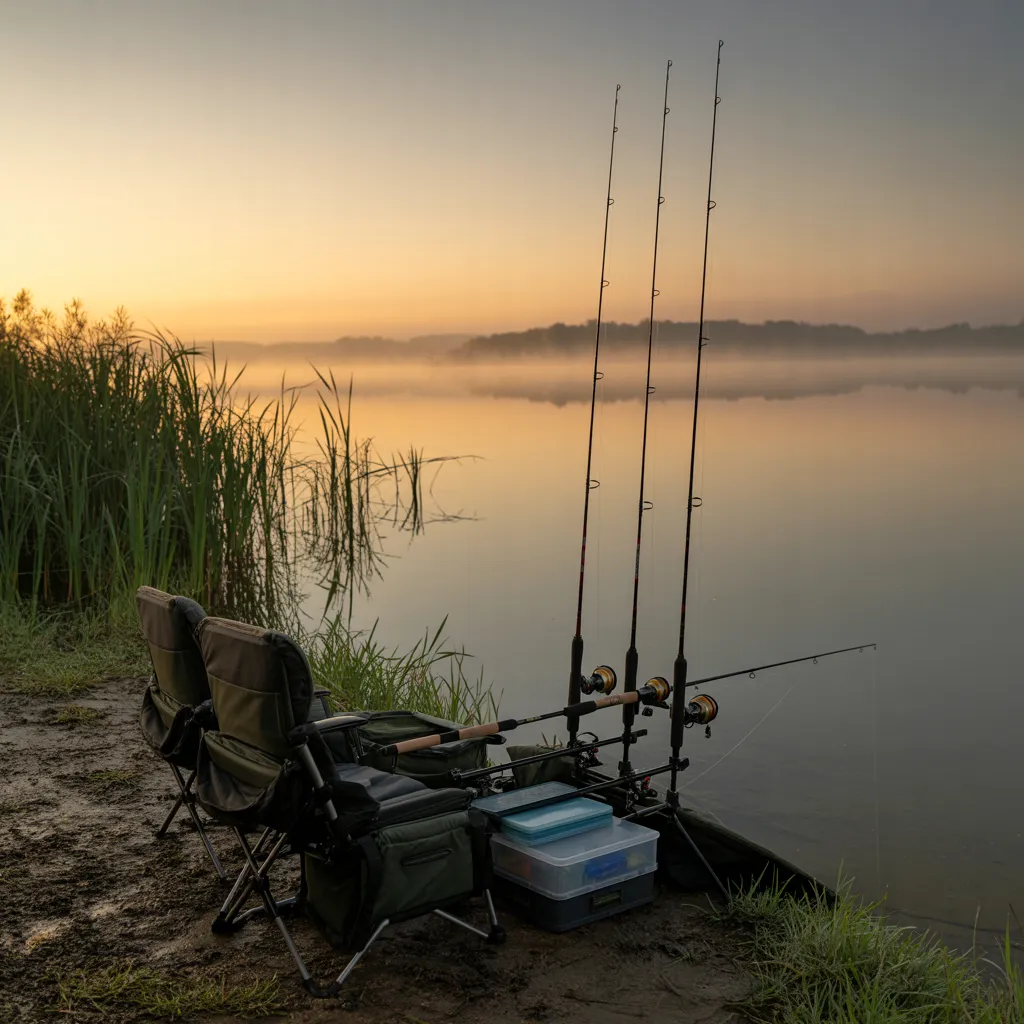
When inspecting a fishing rod, it is essential to conduct a thorough visual damage assessment to identify any cracks or bends. Additionally, inspecting the reel and guides for wear or corrosion can avoid future issues and guarantee optimal functionality. Frequent checks assist in preserving the rod's structural soundness and extend its durability.
Visual Injury Review
A sharp vision is crucial for fishermen wanting to maintain their fishing rods in optimal state. Frequent visual damage assessments can help detect issues before they escalate. Anglers should inspect the rod for splits or fractures, particularly near the handle and tip. A thorough inspection of the rod blank is critical, as any signs of wear can compromise functionality. Additionally, checking the surface for scratches or chips is important, as these can affect the structural soundness. The guides should be free of rust or corrosion, while making sure that the epoxy on the guide wraps is intact. Finally, the reel seat should be firmly attached and free from any apparent wear, guaranteeing a firm attachment between rod and reel.
Reel and Guides Evaluation
It is essential to inspect the reel and guides to maintain a fishing rod's efficiency. Anglers should first examine the reel to ensure it operates without issues, guaranteeing the handle turns freely. Any abrasive sounds or stiffness might point to the need for lubrication or repairs. Then, inspect the guides for cracks, damages, or corrosion since these flaws can affect line travel and casting accuracy. Inserts must be intact and smooth to reduce line wear. Also, check that the guides are secured firmly to the rod, as loose parts can cause breakage. Consistent care of these parts not only boosts performance but also lengthens the fishing rod's overall lifespan, allowing a better fishing experience.
Essential Guidelines for Fishing Rod Organization
Effective storage of fishing rods is essential for extending their durability and performance. Fishermen should consistently store rods in vertical or horizontal arrangements, verifying they are properly braced to avert bending or snapping. Implementing protective storage cases or rod racks will protect them from dirt particles and mechanical damage. In addition, it is advisable to steer away from placing rods in intense light or severe temperature fluctuations, because these conditions can weaken components and reduce the durability of parts eventually.
When placing rods for extended periods, it is beneficial to remove reels to prevent unnecessary strain on the rod's guides and blanks. Furthermore, ensuring fishing lines properly wound and organized helps prevent tangling and kinking. Regularly checking for any signs of wear or damage during storage guarantees that rods continue to be in excellent condition and ready for use. By following these storage recommendations, anglers can boost the lifespan and functionality of their fishing equipment.
Best Items for Rod Care
Selecting the right products for rod maintenance assures that fishing equipment remains in peak condition. A effective rod cleaner is vital discover now for removing dirt and grime, ensuring peak performance. Many anglers select specialized cleaning solutions which are safe for both rod materials and the environment. Additionally, reel oil and grease are critical for maintaining smooth operation. These lubricants prevent corrosion and guarantee longevity, especially in saltwater environments.
For protecting the rod's exterior, a quality rod wax can add a protective coating against damage from scratches and UV rays. Additionally, using guides and tip protectors can prevent damage during storage and transport. Finally, a dependable tackle box or rod case helps arrange and protect equipment from damage and deterioration. Investing in these products not only enhances performance but also extends the life of fishing rods, rendering them more dependable for future outings.
Weather Effects on Your Fishing Rod Servicing
Weather exerts influence the type and frequency of maintenance required for fishing rods. Humidity can foster corrosion and mold, predominantly affecting metal components, necessitating more constant cleaning and inspections. Conversely, moisture-deficient climates may provoke the rod materials, like cork or wood, to rupture, motivating the need for protective treatments to ensure durability.
Temperature swings also affect rod behavior. Extreme cold can make certain materials prone to cracking, while excessive heat may degrade adhesives. Anglers are urged to store rods in climate-controlled environments to counteract these effects. Rain and moisture exposure require immediate thorough drying to prevent wear and guarantee longevity.
Cyclical changes shape the frequency of maintenance tasks. Regular checks during moist seasons are vital, and winter months may require safeguarding actions against cold-weather damage. Ultimately, adjusting maintenance routines to current climatic conditions optimizes the life and performance of fishing rods.
Indicators Your Fishing Rod Requires Expert Repair
Regular exposure to different climatic elements can result in noticeable wear and tear on fishing rods. Anglers should remain vigilant for several signs indicating that professional repair may be necessary. A compromised rod may display visible cracks or splintering in the material, which can affect its structural integrity. Furthermore, if the rod feels unusually flexible or has lost its responsiveness during casting, this may indicate internal damage.
An issue is when the guides, or eyelets, are bent, chipped, or missing, as this can obstruct line movement and lead to tangles. Additionally, if the reel seat is loose or damaged, it may not properly support the reel, affecting performance. Finally, ongoing vibrations or discomfort while reeling in a catch can suggest deeper issues requiring expert attention. Identifying these signs early can help maintain the rod's longevity and improve the overall fishing experience.
Often Asked FAQs
How Often Should I Change My Fishing Pole?
A fishing pole should typically be replaced every five to ten years, based on how often you use it and how well you maintain it. Signs of wear, such as cracks or decreased performance, may require sooner changing for the best fishing experience.
Is Ordinary Soap Suitable for Maintaining My Rod?
Using standard soap for washing a fishing rod is typically fine, but it's best to choose a mild, non-abrasive soap. Harsh chemicals may harm the rod's construction and surface, possibly impacting performance.
What Marks Show a High-Quality Fishing Rod?
A premium fishing rod generally includes robust materials, a light construction, responsive feel, and sturdy guides. Furthermore, sleek finish, solid build, and reputable brand reputation improve its overall performance and reliability during use.
Does Caring for Rods Demand Different Approaches in Saltwater Angling versus Freshwater Fishing?
Rod maintenance varies significantly between saltwater and freshwater fishing. Saltwater conditions require more thorough cleaning to eliminate corrosive salt deposits, while freshwater rods typically require less frequent upkeep, focusing mainly on cleaning and checking for wear.
How Can I Protect My Rod From Getting Harmed During Transport?
To prevent rod damage during shipping, one should utilize a protective covering, fasten the rod correctly, avoid putting heavy items on top, and guarantee it remains upright to minimize stress on sensitive components.